
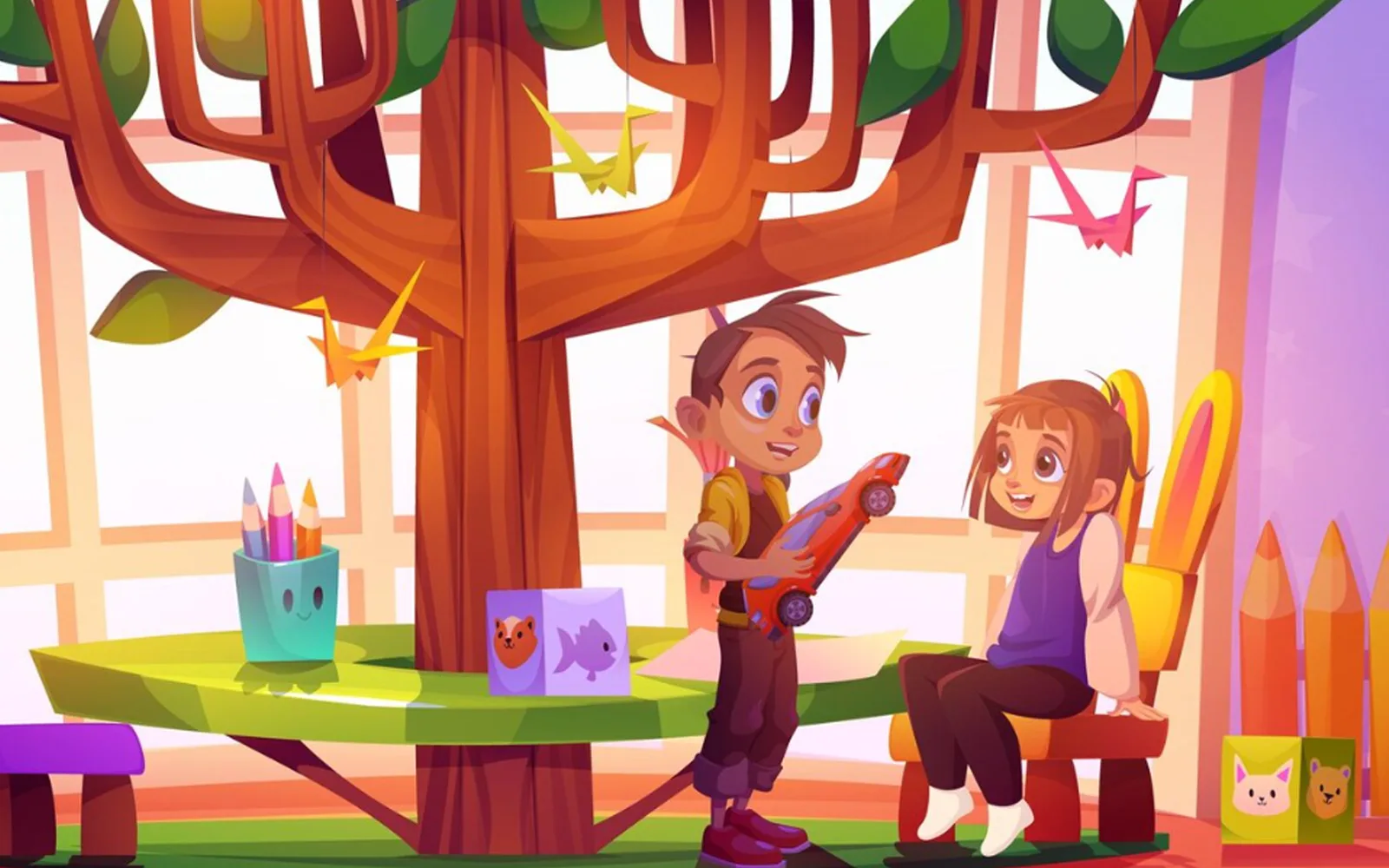
Illustration is not only image generation. A book may require recurring characters, visual continuity, emotional beats, print-ready composition, typography awareness, and a consistent art language across dozens of pages.
What authors should focus on
Use technology where it improves ideation or workflow, but keep clear human ownership of creative direction, final drawing decisions, revisions, and rights documentation. For commissioned artwork, authors should know exactly what is original and what rights are transferred.
- Prioritize character and style consistency across the full book.
- Confirm commercial-use and copyright terms before production.
- Use experienced artists for storytelling, composition, and refinement.
- Treat AI as a tool where appropriate, not as a replacement for art direction.
Keep the decision connected to the reader
Publishing choices are strongest when they support the reader experience and the author’s wider goals at the same time. A professional process does not need to be complicated, but it should be deliberate: understand the objective, choose the right level of support, document the decisions, and review the result before moving to the next stage.
That approach makes it easier to invest time and budget where they can create the most value, while avoiding extra work that does not materially improve the book or the author platform around it.
AI can accelerate visual experimentation, but original book artwork still depends on consistent characters, intentional storytelling, rights clarity, and experienced art direction.