
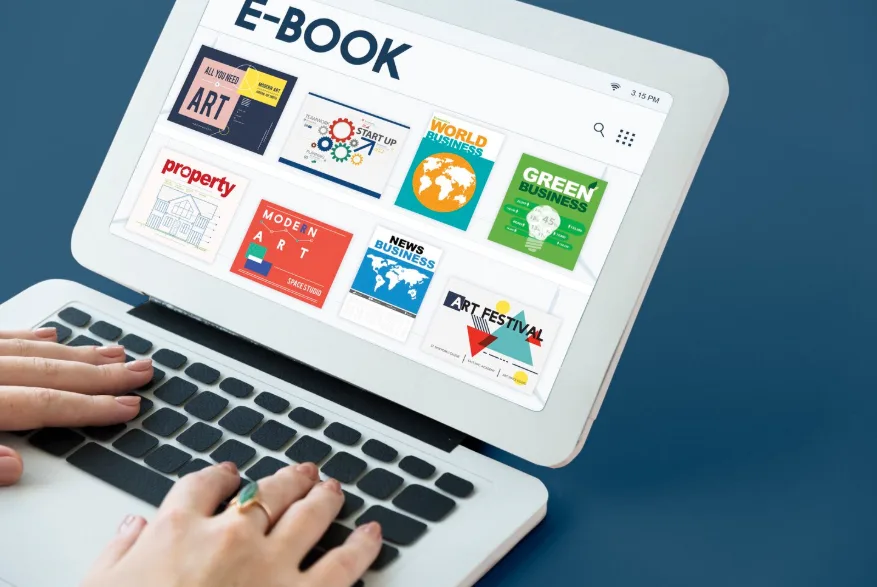
A novel, workbook, illustrated children’s title, business guide, and reference book do not create the same reading experience. Format should support the content instead of following a default rule.
What authors should focus on
Evaluate reader habits, production cost, visual complexity, and sales settings. In many cases, a coordinated print and eBook release gives readers useful choice without complicating the brand.
- Match format to how the content will be used.
- Check whether illustrations or layouts translate well to eBook.
- Consider print costs when setting retail prices.
- Keep cover and metadata consistent across editions.
Keep the decision connected to the reader
Publishing choices are strongest when they support the reader experience and the author’s wider goals at the same time. A professional process does not need to be complicated, but it should be deliberate: understand the objective, choose the right level of support, document the decisions, and review the result before moving to the next stage.
That approach makes it easier to invest time and budget where they can create the most value, while avoiding extra work that does not materially improve the book or the author platform around it.
Format choices should reflect how readers consume the subject, what the book needs visually, and where the author expects to sell.